Texas summers put outdoor spaces to the test. In Denton and Fort Worth, homeowners can experience prolonged heat, intense afternoon sun, sudden thunderstorms, heavy rain, and months of high outdoor use. While artificial turf is designed to eliminate many of the problems associated with natural grass, synthetic grass still requires the right care to perform well through a North Texas summer.
For homeowners searching for artificial turf in Denton, artificial turf in Fort Worth, or reliable DFW artificial turf maintenance, summer preparation should focus on four things: heat, UV exposure, drainage, and cleanliness.
Common Artificial Turf Problems in Denton Summers
Denton’s summer climate creates several challenges for outdoor surfaces. Artificial turf can handle intense weather, but installation quality and maintenance make a significant difference.
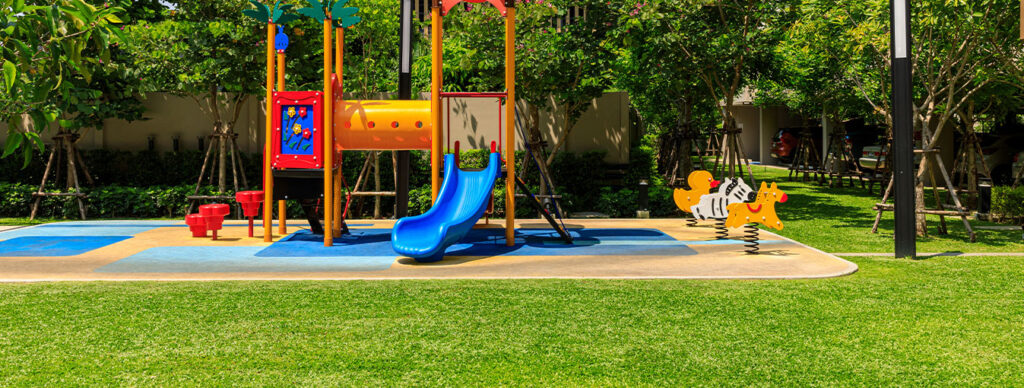
One of the biggest concerns is heat. Synthetic grass exposed to direct afternoon sunlight can become substantially warmer than the surrounding air. This is particularly important for families with children and homeowners with dogs that spend time outdoors.
Denton homeowners should also pay attention to the condition of the turf’s base. North Texas properties can have clay-heavy soils that expand when wet and contract during dry periods. That movement makes proper excavation, grading, compaction, and drainage particularly important during an artificial turf installation.
Heavy summer thunderstorms create another potential problem. Artificial grass is permeable, but water still needs somewhere to go after passing through the turf. If the underlying base or surrounding grade does not drain correctly, homeowners may notice puddles, soft areas, or water collecting along edges. Other common artificial turf Denton summer concerns include:
- Dust and pollen collecting between turf fibers.
- Leaves and organic debris affecting drainage.
- Pet odors becoming stronger in hot weather.
- High-traffic areas becoming flattened.
- Dirt accumulating around turf edges and hardscaping.
How Hot Does Artificial Turf Get in Denton Summers?
One of the most common questions about synthetic grass in Texas heat is whether artificial turf gets too hot.
The honest answer is that artificial turf can become hot in direct summer sunlight. The exact surface temperature depends on the turf product, color, infill, amount of sunlight, surrounding landscaping, and other conditions. The hottest conditions typically occur during the afternoon when the sun has been directly heating the surface for several hours. However, this does not mean artificial turf is unsuitable for Denton. It means homeowners should plan for summer conditions when selecting turf and designing their outdoor space.
If children or pets will regularly use the lawn during the afternoon, ask an artificial turf professional about heat-management options. Product selection, infill, landscaping, and shade structures can all play a vital role in managing your turf’s temperatures. Homeowners should also be cautious of installers who claim artificial turf will remain the same temperature as natural grass in full Texas sun. It won’t. Quality installation is about managing the heat, not pretending it doesn’t exist.
How to Cool Artificial Turf in DFW Summer Heat
Knowing how to cool artificial turf is especially useful during summer months in Denton, Fort Worth, and surrounding DFW communities.
The easiest solution is a quick rinse with a garden hose. Water temporarily reduces the surface temperature and can make the turf much more comfortable for children, pets, and barefoot use. For frequently used areas, homeowners can rinse the turf before outdoor activities or during periods of extreme afternoon heat.
Bringing in more shade is another effective strategy. Consider umbrellas, pergolas, shade sails, covered patios, or strategically placed landscaping. A shaded portion of the yard gives pets and family members somewhere to escape direct sunlight. When installing new turf, consider how the lawn will actually be used. A large, completely exposed dog run or children’s play area may require more heat-management planning than a small decorative turf section. Cooling infill may also be worth discussing with your artificial turf technician in Denton or Fort Worth. Different infill products have different characteristics, so consider your options based on the property’s exposure and intended use.
Protecting Artificial Turf From North Texas UV Damage
North Texas receives plenty of intense sunshine, making UV resistance an important consideration when purchasing synthetic grass. Quality artificial turf is manufactured with UV-resistant materials designed to help the fibers retain their color and structural integrity. However, not all turf products are identical.
If you are considering artificial turf installation in Denton or Fort Worth, ask about the turf’s UV stabilization, manufacturer warranty, fiber construction, and expected outdoor performance. This is especially important for properties with large areas of unobstructed southern or western exposure.
Shade can provide an additional layer of protection. Trees, covered patios, and other structures reduce direct exposure while also making the lawn more comfortable.
Regular cleaning helps too. Dirt, pollen, leaves, and organic debris can accumulate in the turf and make the surface look dull. Keeping the grass clean allows homeowners to spot fading, damaged fibers, seam problems, or other issues before they become more serious. For long-term artificial turf care in Texas, product quality matters just as much as routine maintenance.
Signs Your Artificial Turf Has Drainage Problems
Artificial turf drainage deserves special attention in Denton and Fort Worth because summer heat can be followed by sudden heavy rainfall. A properly designed turf system should allow rainwater to pass through the perforated backing and into the prepared base. However, turf itself is only one part of the drainage system. Underlying soil conditions and drainage pathways also affect performance. Watch for these signs of a potential drainage issue:
- Water remains on the surface long after rainfall ends.
- Puddles repeatedly form in the same location.
- The turf feels unusually soft or spongy.
- Water collects around turf edges.
- Persistent odors develop in pet areas.
- The ground beneath certain areas appears to be settling.
- Heavy rain causes runoff toward a foundation, walkway, or neighboring property.
Denton and Fort Worth homeowners should take drainage seriously because North Texas soil conditions can make water management challenging. If your turf repeatedly holds water, professional evaluation is a necessary next step.
How to Clean Artificial Turf in Fort Worth Summers
Synthetic grass summer maintenance is relatively simple, but Fort Worth homeowners should establish a regular cleaning routine.
Start by removing leaves, sticks, dirt, and other debris. A leaf blower or soft brush can help keep debris from accumulating between the turf blades. Rinsing the turf periodically removes dust and pollen while helping freshen frequently used areas.
If you have pets, rinse areas where they regularly urinate. Hot weather can make pet odors much more noticeable, particularly when organic material accumulates in the infill. Spills should also be cleaned promptly. Use water and a turf-safe cleaning product when necessary. Avoid harsh chemicals or abrasive tools that could damage turf fibers or affect the infill.
High-traffic areas may need occasional brushing to help restore the upright position of turf fibers. This is particularly useful around outdoor kitchens, pool areas, walkways, play spaces, and heavily used backyard areas.
For Fort Worth homeowners looking for artificial turf maintenance, regular cleaning is one of the easiest ways to preserve the appearance and performance of their newest investment..
Pet-Friendly Artificial Turf Care in Fort Worth Heat
Artificial turf is especially popular with Fort Worth homeowners who have dogs because it eliminates many of the muddy and damaged-grass problems associated with natural lawns. However, pet turf is not maintenance-free.
Pick up solid waste as soon as possible and rinse urine areas regularly. During the hottest months, odors can become stronger if urine residue and organic material are allowed to accumulate. For persistent odors, a turf-safe enzyme cleaner may help break down organic residue. Always choose a product appropriate for artificial grass and follow the manufacturer’s instructions. Drainage is particularly important for pet turf. When water and urine can move efficiently through the turf system, routine cleaning becomes much easier.
Pet owners should also inspect the lawn for digging, damaged edges, loose seams, or areas where infill has shifted. If your Fort Worth backyard has multiple dogs or receives heavy daily pet use, consider scheduling professional turf cleaning periodically. Professional turf maintenance can include grooming, sanitation, odor control, and deeper cleaning for heavily used turf areas.
When to Schedule Professional Artificial Turf Maintenance
Homeowners can handle most basic summer turf maintenance, but professional service is worthwhile when problems go beyond routine cleaning. Consider scheduling professional maintenance if you notice:
- Persistent pet odors.
- Drainage or standing-water problems.
- Flattened or heavily matted turf.
- Loose seams or edges.
- Significant infill displacement.
- Excessive debris buildup.
- Staining that does not respond to normal cleaning.
- Turf that has developed uneven or sunken areas.
A professional maintenance visit can include deep cleaning, grooming, odor treatment, infill assessment, and inspection of the turf system.
For homeowners who installed artificial grass several years ago, summer can also be a good time to have the installation evaluated before another season of extreme weather. Quality artificial turf can provide many years of service when it is properly installed and maintained. The actual lifespan will depend on the turf product, installation, usage, and maintenance conditions.
Choosing Artificial Turf Technicians That Handle North Texas Summers Well
A beautiful artificial lawn is only as good as the installation underneath it. If you’re considering artificial turf in Denton, Fort Worth, or anywhere in the greater DFW area, choosing the right installation team can make the difference between a lawn that looks great for years and one that develops drainage, odor, settling, or performance problems.
When comparing turf companies, don’t judge your options solely by product samples. Ask how the company prepares your property before the turf is installed. Proper ground preparation, UV protection, drainage, base construction, and installation techniques can have a major effect on long-term turf performance. A qualified artificial turf technician in Denton should understand local soil conditions, grading, drainage, compaction, heat exposure, and how your turf will be used. Before hiring a contractor, ask:
- How will you prepare the existing soil?
- How will you address drainage?
- What type of base material will you use?
- How will you handle North Texas clay soil?
- What UV protection does the turf provide?
- What infill is recommended for my property?
- What maintenance will the turf require?
- How will you manage pet odors if I have dogs?
- What warranties cover the turf and installation?
- Do you provide maintenance or repair services after installation?
These questions can help you distinguish a professional turf installation from a quick, surface-level installation. Artificial Turf Technicians focuses on the details that matter, from proper base preparation and drainage to selecting turf and infill that fit your property and lifestyle. Contact us today!